
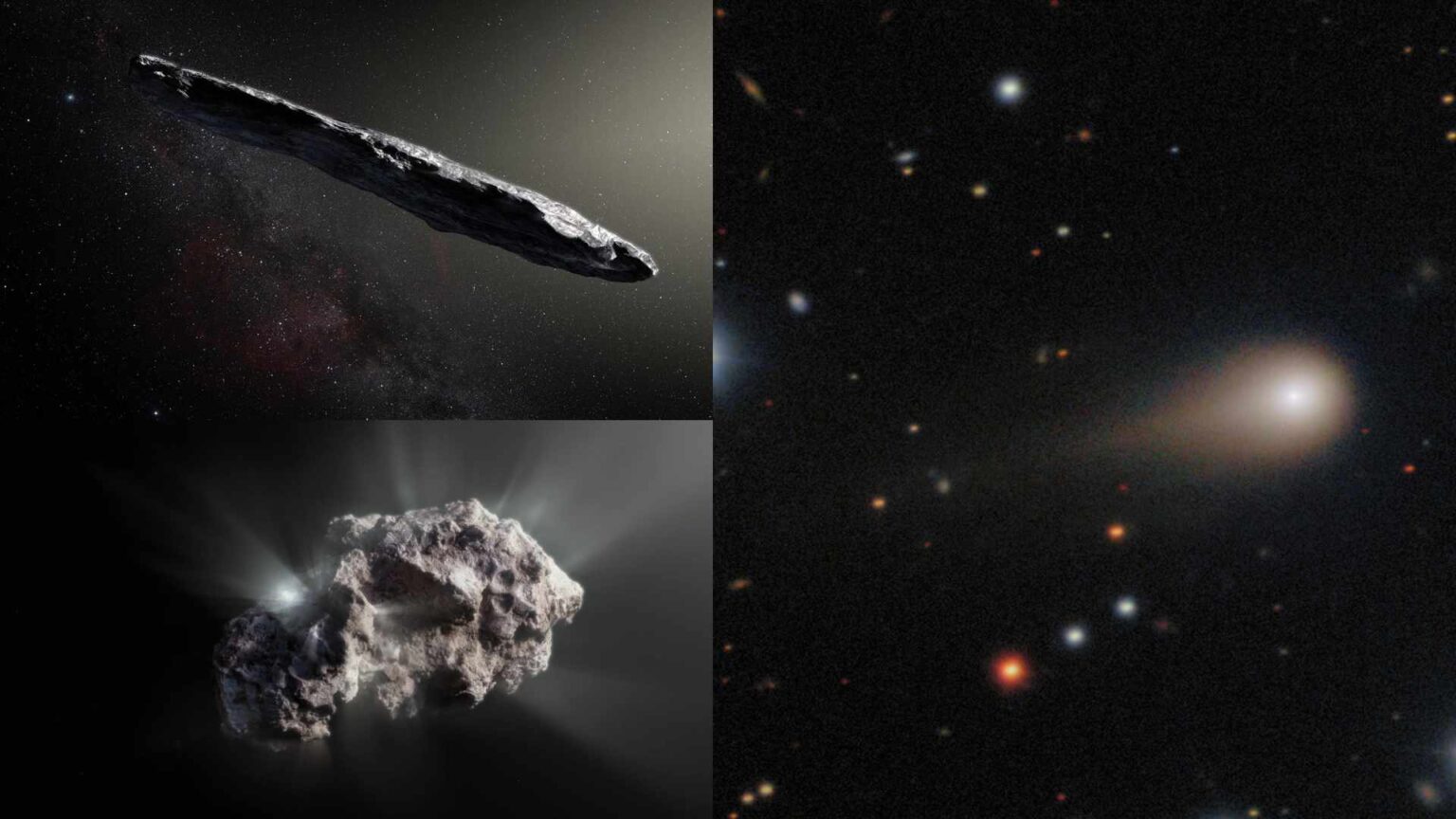
3I/ATLAS was first spotted on July 1, 2025 by the Chile-based and NASA-funded Asteroid Terrestrial-impact Last Alert System, aka ATLAS. The observatory has four telescopes, one in South Africa, another in Chile, and two in Hawaii. The core capacity of these telescopes is that they can spot an asteroid as small as 20 meters. It is always on the hunt for larger asteroids of 100 meters in diameter and above that can be 10 times more destructive than the 2021 Tonga volcanic eruption, which was followed by a devastating tsunami.
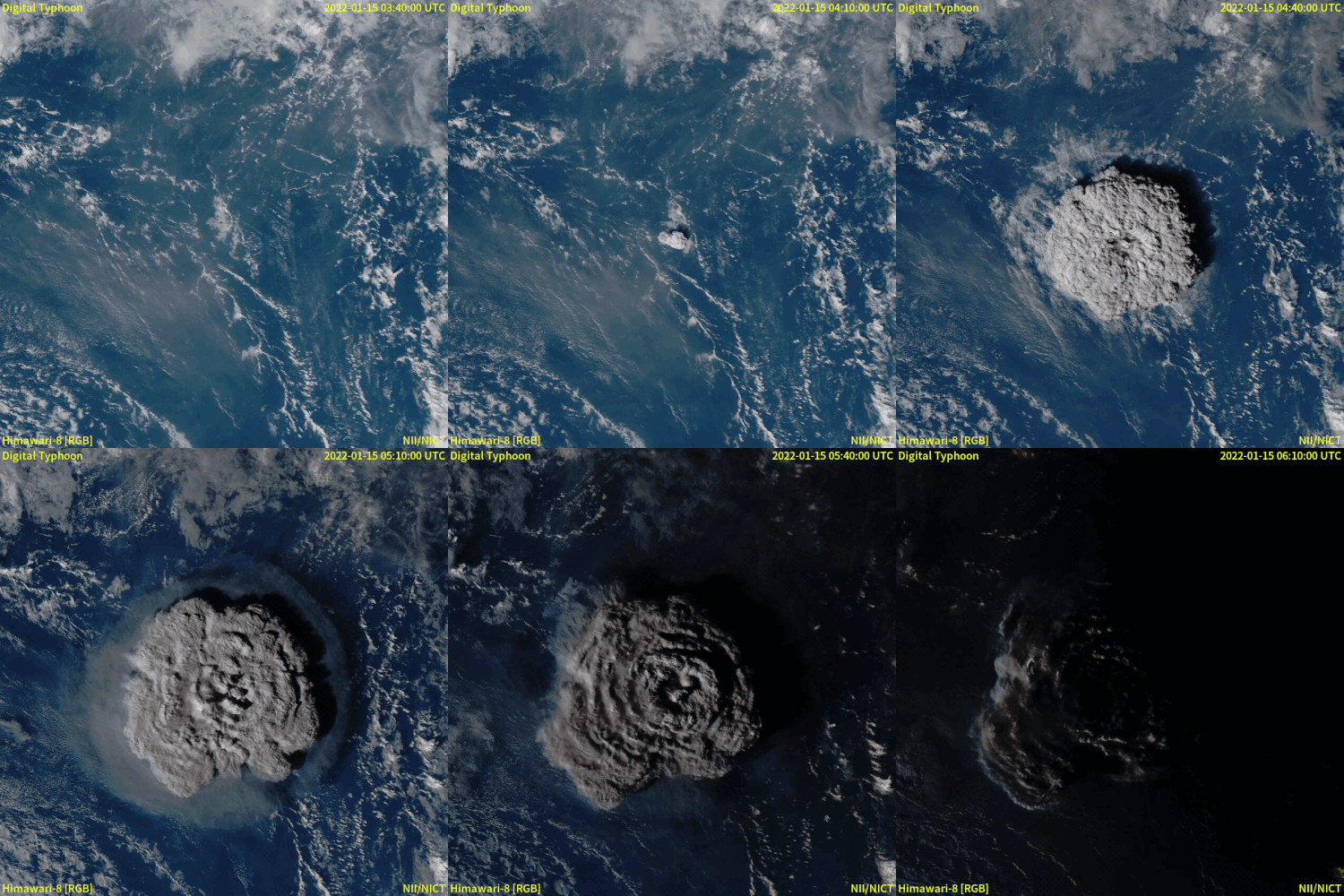
The submarine volcano generated the largest atmospheric explosion recorded in modern times. Per NASA’s estimate the eruption was 100 times more powerful than its Manhattan test of an atomic bomb dubbed the ‘Little Boy.’ Read more about asteroid impact risks here.
Meanwhile, ATLAS’s discovery of the exocomet set social media ablaze. The third-ever interstellar object to enter the solar system was initially temporarily listed by the Minor Planet Center (MPC) on the Near-Earth Object Confirmation Page (NEOCP). ‘Cuz we never know with over 400,000 NEAs (Near Earth Asteroids), one can never take chances. The origin of 3I/ATLAS is yet to be ascertained but based on its path, it shows 3I/ATLAS came from the direction of the constellation Sagittarius near the galactic center of our own galaxy, the Milky Way.
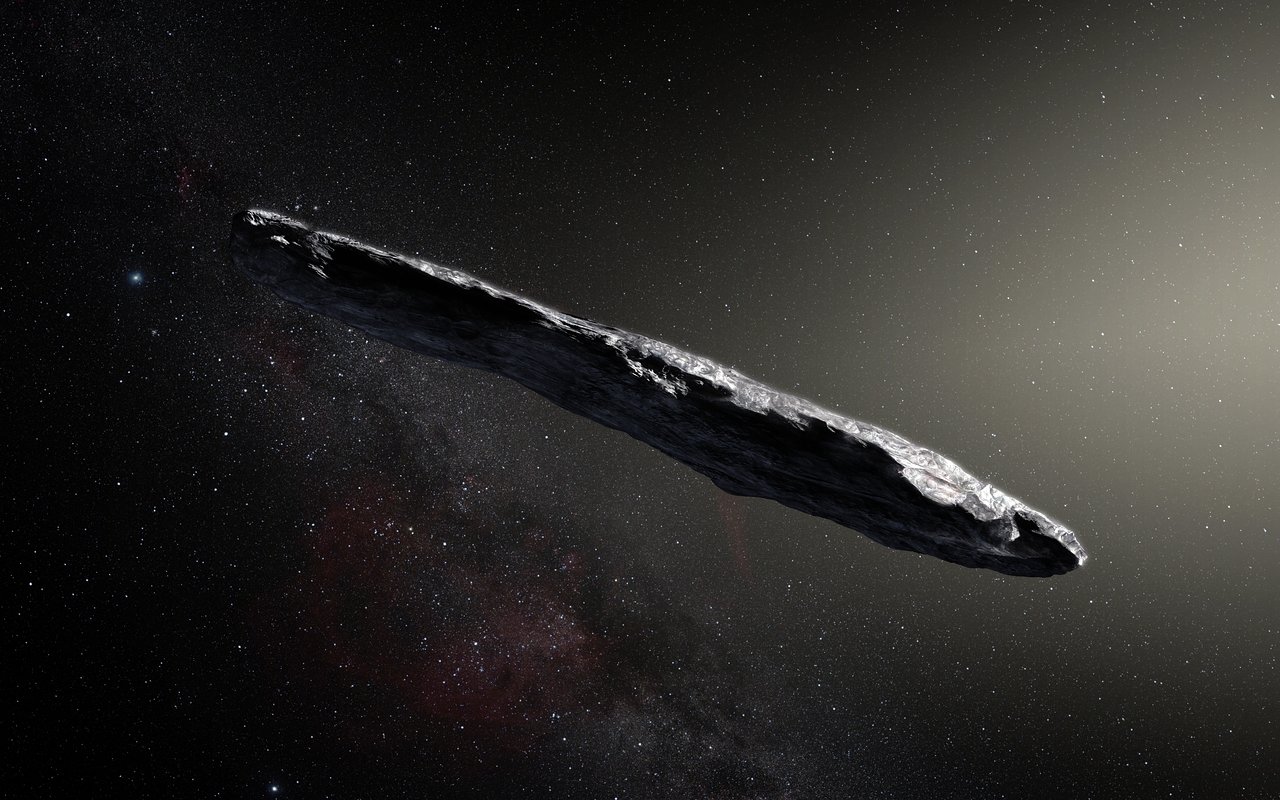
1I/Oumuamua | ESO / artist’s impression
While conspiracy theories abound and academic speculations on the nature of 3I/ATLAS, it is most certainly a comet with anomalous behavior. Harvard astrophysicist Avi Loeb has so far listed 13 anomalies on 3I/ATLAS, with six major ones that hint that the object could be more than a mere comet. However, with the lack of any technosignature or biosignature (so far), we can ignore the tabloids.
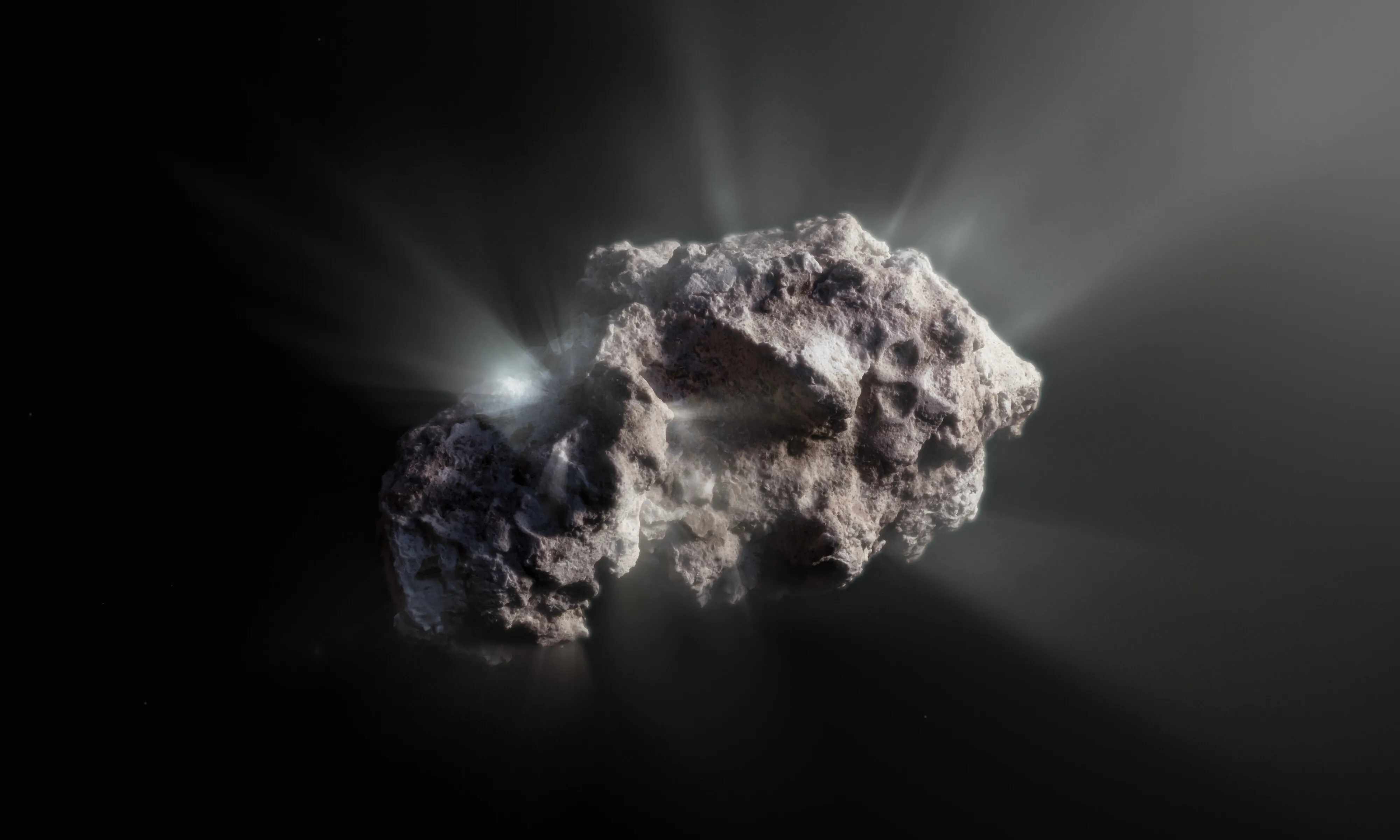
2I/Borisov | MIT / artist’s impression
With 3I/ATLAS hogging all the limelight while it is still cruising the solar system at nearly 60 km/second, it is only imperative to compare it with former visitors from interstellar space that kept us intrigued.
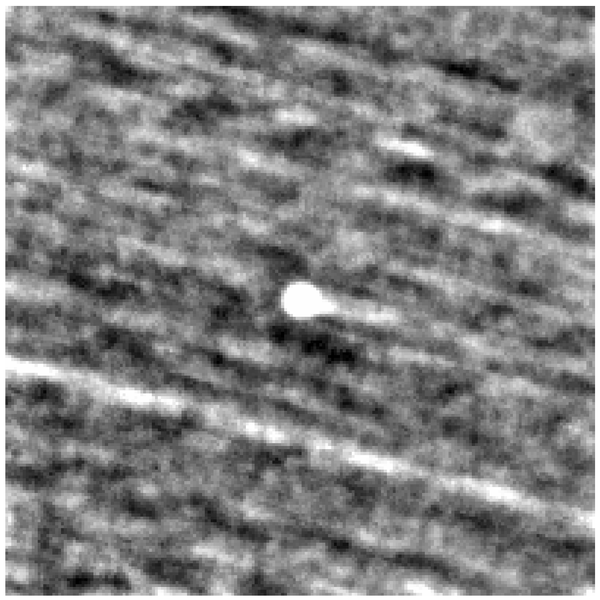
3I/ATLAS | PUNCH / NASA
The University of Hawaii, one of the partners of the ATLAS Sky Survey, shared a table distinguishing the 3 interstellar comets, namely, 3I/ATLAS, 2I/Borisov, and 1I/Oumuamua.
1I
2I
3I
Discovery, q, e
10/19/17 @ 1.22 au, 9/9 @ 0.25 au
9/30/19 @ 3.0 au, 12/8/19 2.0 au
7/1/25 3.5 au, 10/29/25 1.36 au
Radius, axis ratio
~200 m, > 6:1 axis ratio
Rotation
~ 8 hr complex
4.3?
16.2 hr?
Gases
None detected
CO rich
CO2 rich
See Also: 3I/ATLAS: Canadian Astrophotographer Clicks Clearest-Ever Picture Of Interstellar Visitor
Cover: ESO/MIT/NASA