
The European Space Agency’s budget for the next three years will be €22.1 billion. This is a record figure in the organization’s history.
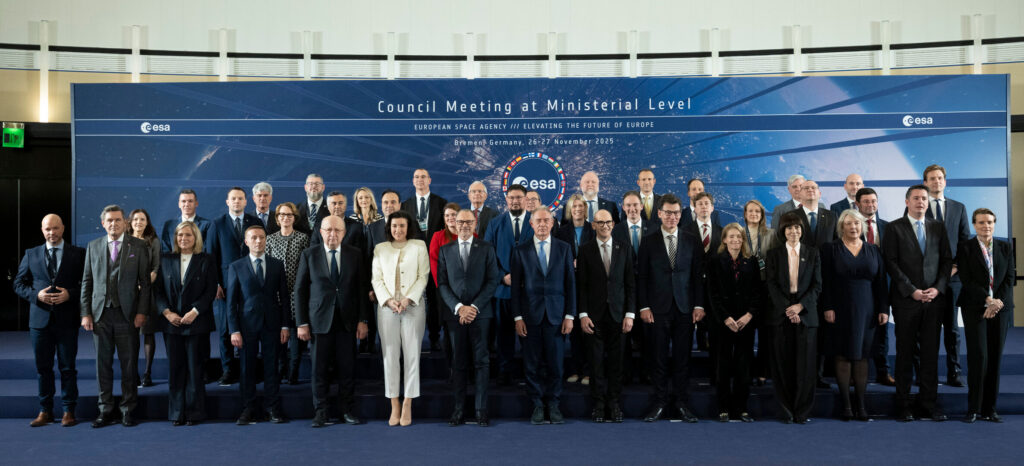
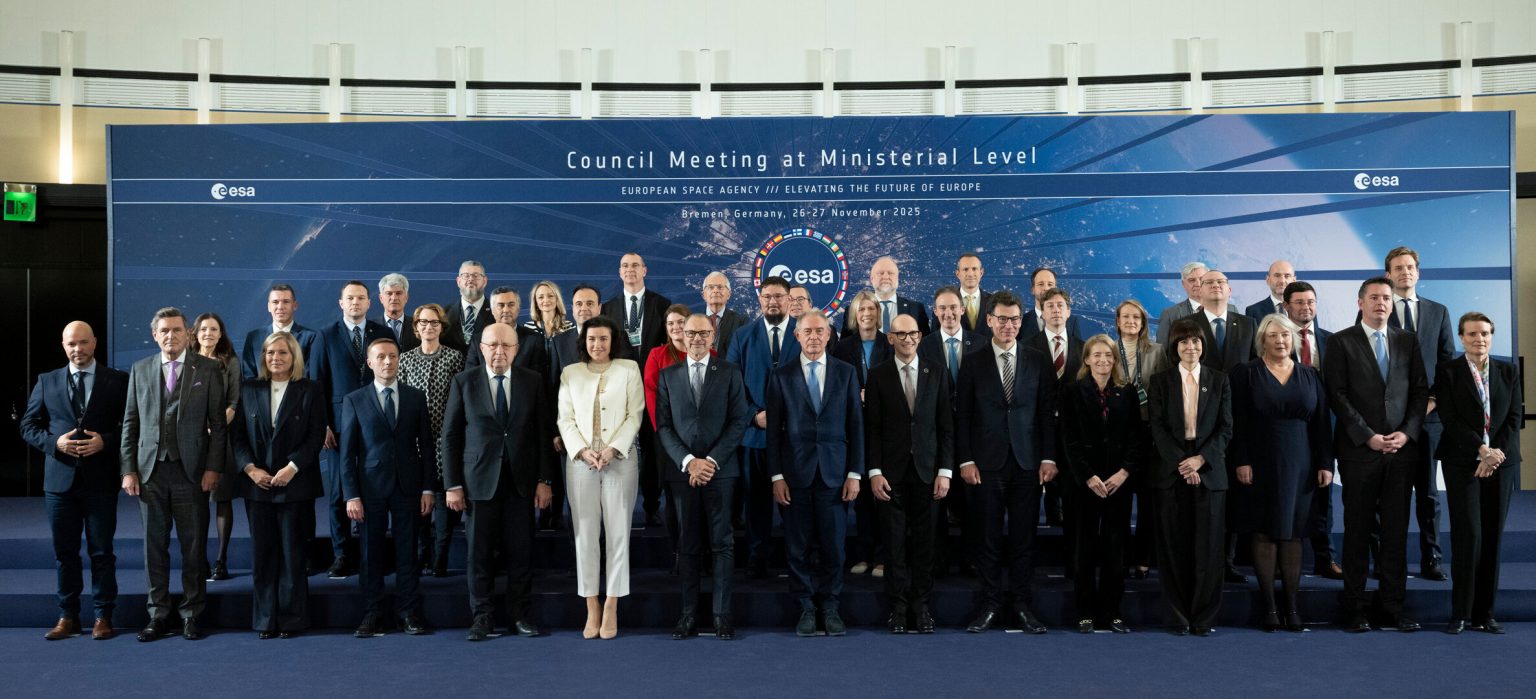 Meeting of the Council of Ministers of ESA Member States. Source: ESA — S. Corvaja
The decision to increase the ESA budget was taken at a meeting of the Council of Ministers of the organization’s member states in Bremen. It rose by 32% (17% adjusted for inflation) compared to the previous three-year budget approved in 2022.
The record budget will enable ESA to embark on ambitious missions under the Cosmic Vision program, including LISA and NewAthena. It also lays the foundation for the start of development of the technologies needed to implement the Voyage 2050 project. This involves launching a large-scale mission to search for signs of life on Enceladus.
Much attention will also be paid to the exploration of the Moon. ESA will prepare a number of missions, the most important of which is the Argonaut landing module project. The ExoMars mission, during which a rover will be landed on Mars to search for signs of life, has also been confirmed.
The organization will also continue its cooperation with NASA as part of the Artemis program. ESA hopes to send its astronauts to the Moon in one of its future missions. According to ESA Director General Josef Aschbacher, the first Europeans on Earth’s moon will be representatives from France, Germany, and Italy.
According to ESA
Part of the Universe Space Tech team since 2017. Focuses on interplanetary missions, the history of space exploration, rocket launches, and scientific discoveries in both near and deep space. Over the years, he has written dozens of materials — from fact-checked news to deep-dive analyses.
His fascination with space began in childhood and eventually became his professional direction. He joined Universe Space Tech to tell readers about modern space events in a clear and engaging way. His writing combines accuracy, structure, and deep respect for scientific knowledge.