
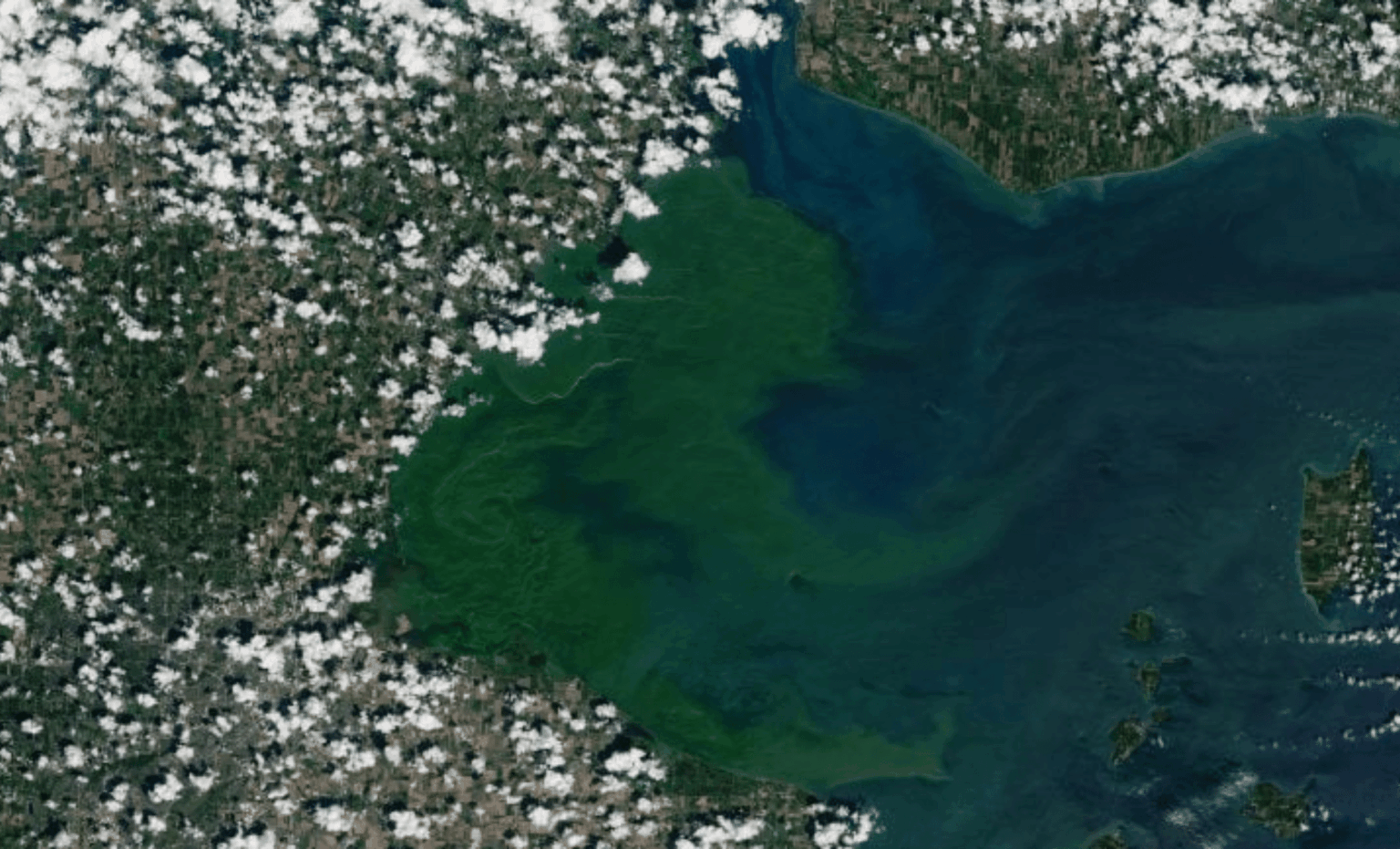
Each summer, Lake Erie transforms from a shimmering expanse of blue into a green, toxin-laced cauldron. For years, researchers have struggled to identify the invisible culprit behind these increasingly dangerous algal blooms. Now, a breakthrough study has exposed the microscopic architect of this toxic mystery — and it could reshape how scientists understand the impact of climate change on freshwater life.
The Mystery Beneath The Surface
For decades, the waters of Lake Erie have harbored a growing menace: harmful algal blooms (HABs) capable of poisoning wildlife, disrupting ecosystems, and even threatening human health. The study, published in Environmental Science & Technology by the University of Michigan research team, finally traces the source of the lake’s deadly saxitoxin to a cyanobacterium known as Dolichospermum. Using advanced shotgun DNA sequencing, scientists pieced together the genetic blueprint of this elusive microbe and found the precise genes responsible for toxin production.
“The main advantage of knowing which organism produces the toxin is that it helps us understand the conditions that cause toxin production—that is, what conditions make those organisms successful,” said Gregory Dick, professor of earth and environmental sciences and of environment and sustainability. “Such information can help guide policy and management, though we’re still a long way from that in this case.”
The discovery sheds new light on how microscopic shifts in lake chemistry — from nutrient levels to temperature gradients — can trigger massive ecological responses. These findings underscore a deep connection between microbial evolution and the warming of freshwater systems.
When The Lakes Warm, The Microbes Rise
As North America’s Great Lakes continue to warm under the influence of climate change, the delicate balance of their ecosystems is being rewritten. Warmer temperatures accelerate the growth of cyanobacteria, allowing species like Dolichospermum to dominate and outcompete other forms of life.
“That is interesting because we do know that the lakes are changing with climate change,” said Paul Den Uyl, a scientist at U-M’s Cooperative Institute for Great Lakes Research (CIGLR). “With the warming of the lakes, one of the big questions is, how is that going to change the biological communities, including harmful cyanobacterial blooms?”
Researchers found that the genes associated with saxitoxin production appeared most often in warmer waters, suggesting a strong link between rising lake temperatures and toxin proliferation. The study also revealed a fascinating nuance: the toxin-producing genes were scarcer in regions rich in ammonium, hinting that Dolichospermum thrives in low-nutrient, high-temperature zones — a pattern that may soon become the new normal as climate change reshapes aquatic environments.
The Microbial “Superpower” Changing The Game
Beyond its toxicity, Dolichospermum carries a unique biological edge — a kind of microbial superpower. Unlike most organisms, it can extract nitrogen directly from the atmosphere in the form of dinitrogen gas, allowing it to flourish even when other life forms struggle.
“One of the neat things about having the whole genome is you can see everything the organism can do, at least theoretically,” said Gregory Dick, who is also director of CIGLR. “You have the whole blueprint for what the organism can do, and we do see the capability of obtaining fixed nitrogen from the water. It’s just that getting it in the form of dinitrogen gas is kind of a superpower. Not a lot of organisms can do that, and it makes them more competitive under those conditions.”
This adaptability could explain why Dolichospermum continues to dominate as the lake warms — it can survive in nutrient-poor conditions that would normally suppress bloom formation. That same resilience, however, makes it nearly impossible to eradicate, posing long-term challenges for managing freshwater quality in the Great Lakes region.
Watching The Future Of The Lake
While the discovery marks a milestone, the work is far from finished. The research team plans to monitor Dolichospermum’s genetic activity over time to determine whether toxin production is increasing alongside global temperature trends.
“But now that we know who’s producing it, I think we can keep a better watch on these organisms and we can also directly assess the gene abundance over time,” said Dick. “We plan to continue monitoring the abundance of this organism, but it’s too early to tell if it’s becoming more abundant. It’s just a correlation, but that correlation with temperature is concerning.”
For Lake Erie, this means a future where vigilance becomes as vital as understanding. Tracking the genes behind saxitoxin may soon be as important as monitoring water quality itself — a scientific and environmental race to preserve the Great Lakes from within.