
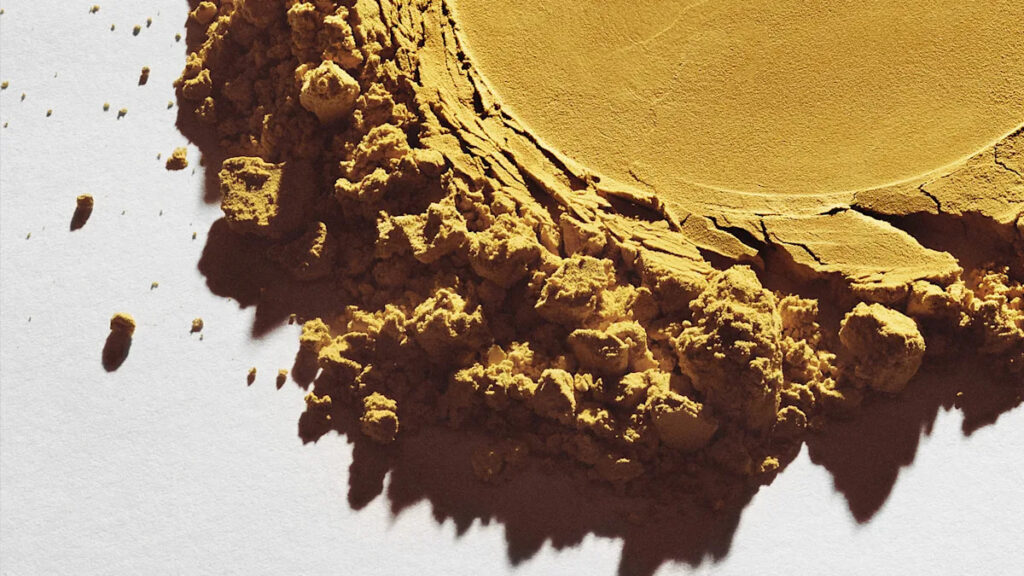
The European Space Agency is exploring a few different concepts to improve nutrition for astronauts taking part in long-distance space missions. After beginning to investigate insect-based dietary supplements, the ESA has also launched a new HOBI-WAN project (“Hydrogen Oxidizing Bacteria In Weightlessness As a source of Nutrition”), which will explore the development of a powdered protein created with urine-derived microbes.
“This project aims at developing a key resource which will allow us to improve human spaceflight’s autonomy, resilience, and also the well-being of our astronauts,” Angelique Van Ombergen, the ESA’s chief exploration scientist, said in a statement. “For human beings to be able to implement long-duration missions on the Moon, or even one day to go to Mars, will require innovative and sustainable solutions to be able to survive with limited supplies.”
The protein is known as “Solein” and was developed by a Finnish company called Solar Super Foods. It works out to around 78% useful proteins (including all nine essential amino acids), 10% dietary fiber, and 6% fat. The rest consists of carbohydrates and minerals, providing an excellent nutrient profile that could make up a significant portion of astronaut diets if perfected.
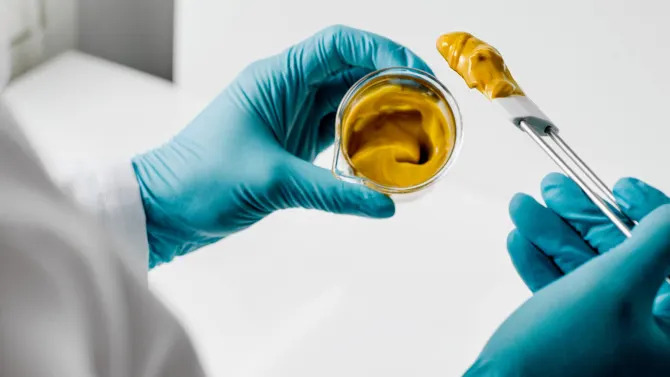
Solein in creamy butter form.
Solein can reportedly be given any kind of flavour profile and turned into various food stuffs, including butters, and pasta. Credit: Solar Super Foods
The company has proven itself capable of creating the protein powder on Earth using ammonia as a source for protein synthesis. Now, it needs to demonstrate that the unique gas fermentation process can be repeated in orbit. There, it won’t be using ammonia, but urea, found in human urine.
To make this experiment possible, Solar Super Foods is developing a technology to test Solein production in space. If that test proves successful, it will graduate to testing the same technology and production pipeline on the International Space Station, per Space.com.
“The aim of the project is to confirm that our organism grows in the space environment as it does on the ground, and to develop the fundamentals of gas fermentation technology to be used in space—something that has never been done before in the history of humankind,” Arttu Luukanen, senior vice president of space and defence at Solar Foods, said in a statement.
Microbes and gases behave quite differently in microgravity than they do inside Earth’s gravitational field and atmosphere. Determining whether the Solein production process is as streamlined and effective in space is crucial before it can be considered a viable future food source for next-generation astronaut endeavors.